How to Extend Your HVAC System Lifespan: The Ultimate Homeowner’s Guide
Extend your HVAC lifespan with simple habits and expert tips. Save on costs and enjoy reliable comfort in any climate.
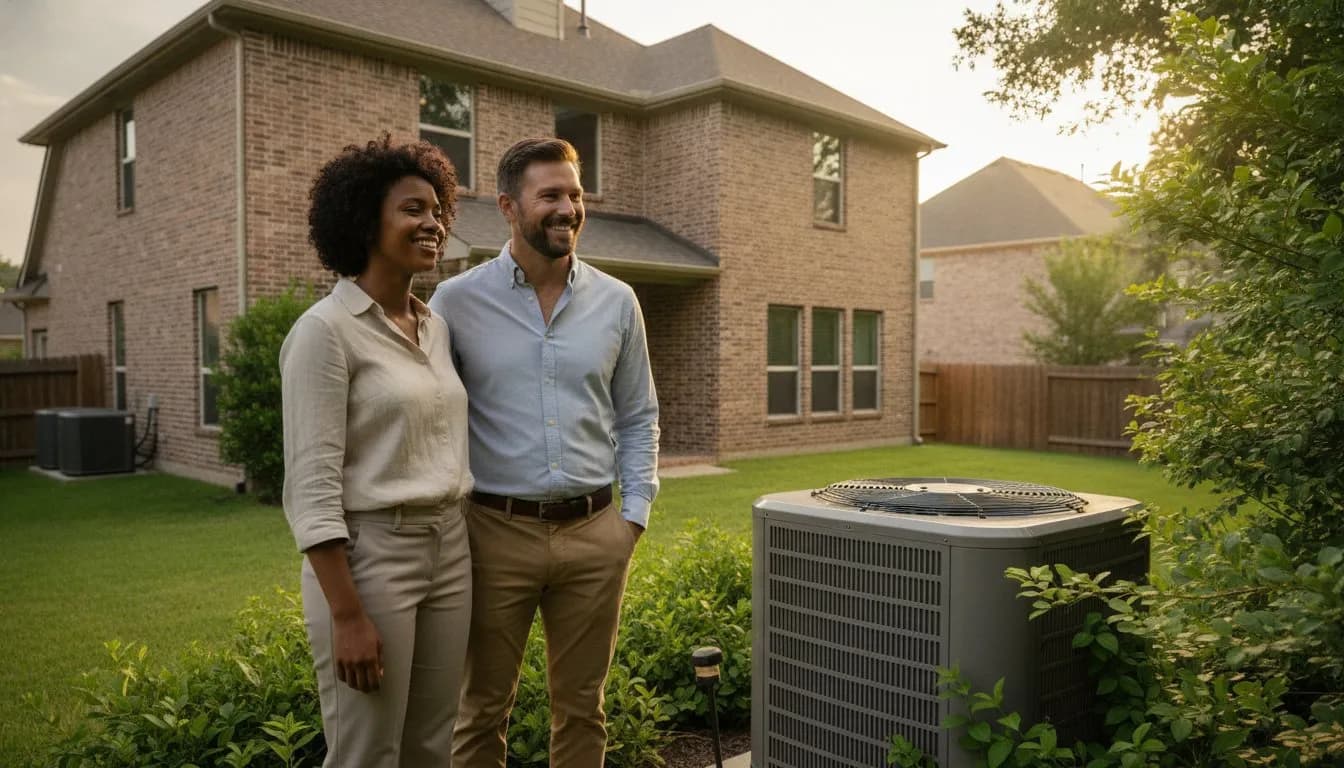
What if the difference between an unexpected $18,000 replacement bill and another decade of reliable cooling was hidden in a few simple habits? For many Texas homeowners, the air conditioner is the hardest working appliance in the house, yet it's often the most overlooked until it stops breathing. Achieving meaningful HVAC system lifespan extension doesn't require a degree in mechanical engineering, but it does require a proactive mindset and a bit of disciplined home care.
We understand the anxiety that comes with a sudden system failure during a heatwave and the frustration of watching monthly utility bills climb higher every summer. You deserve a home that stays comfortable without the constant fear of a mechanical breakdown. This guide promises to clear away the confusing technical jargon and provide a straightforward roadmap to protect your investment and save you thousands in premature replacement costs.
You'll discover the professional maintenance strategies and easy DIY habits that can add years to your equipment's life while keeping your energy costs down. We will walk through exactly what your system needs to reach that 15 to 20 year milestone, giving you the peace of mind that your family's comfort is in capable, expert hands.
Key Takeaways
Learn why usage patterns and the Texas climate dictate your equipment's true age and how to beat the local average for system longevity.
Master essential DIY habits, such as maintaining proper airflow, to prevent unnecessary strain on your system's most expensive mechanical components.
Discover how professional precision assessments identify minor electrical issues before they lead to catastrophic and costly system failures.
Implement environmental optimizations like heat load reduction to achieve meaningful HVAC system lifespan extension and lower your monthly utility bills.
Understand the long-term value of a disciplined care plan that provides a protective shield for your home’s comfort and domestic harmony.
Table of Contents
Understanding the Lifespan of Modern HVAC Systems
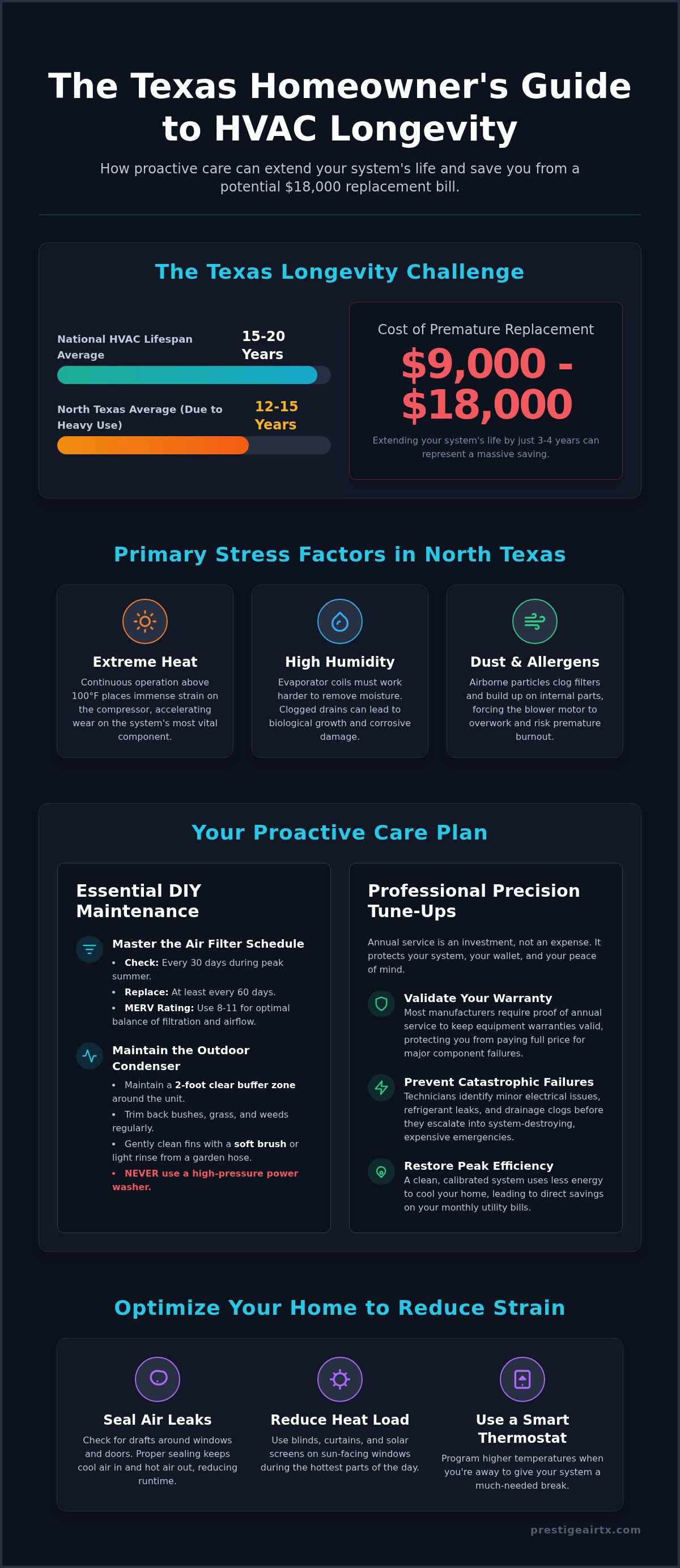
A residential HVAC unit is a complex piece of machinery designed for endurance. While national manufacturers often cite a 15 to 20 year life expectancy, homeowners in the Fort Worth area face a different reality. In North Texas, the average system typically lasts between 12 and 15 years. This discrepancy isn't due to poor manufacturing; it's a direct result of the heavy operational load required to combat our local climate. HVAC lifespan is the intersection of mechanical integrity and operational efficiency.
Think of your air conditioner like a vehicle. If you drive 30,000 miles a year in stop-and-go traffic, that car will age faster than one driven 5,000 miles on open highways. Your HVAC system works the same way. Lifespan is a variable, not a fixed number, and it depends heavily on how hard the system has to work to maintain your domestic harmony. From our perspective as protective experts, we view consistent maintenance as a disciplined investment in your home's future, rather than just another household expense.
Factors that Shorten HVAC Life in North Texas
The extreme heat cycles of a Texas summer place immense strain on the compressor, which is the heart of your system. When temperatures stay above 100 degrees for weeks, the unit may run almost continuously, accelerating wear on electrical components. Additionally, high humidity levels force evaporator coils to work harder to pull moisture from the air. If the drainage systems aren't clear, this moisture can lead to biological growth or coil corrosion. In North Richland Hills, local allergens and dust also play a role. Without proper filtration, these particles build up on internal components, forcing the blower motor to work harder to push air through the home.
The Financial Case for Lifespan Extension
The economics of HVAC system lifespan extension are clear. With full system replacements in 2026 often reaching between $9,000 and $18,000, extending the life of your current unit by even three or four years represents a massive saving. An unmaintained system also suffers from efficiency decay, where it consumes more electricity to produce the same amount of cooling, driving up your monthly utility bills. Finally, most manufacturers require proof of annual professional service to keep your warranty valid. Documented care ensures that if a major component like a compressor fails, you aren't left paying the full cost out of pocket.
Essential DIY Maintenance for Maximum Longevity
Taking an active role in your home's mechanical health is the most effective way to ensure your air conditioner survives the punishing North Texas summers. You don't need a tool belt or a certification to perform the basic tasks that contribute to HVAC system lifespan extension. Most of these habits focus on one critical factor: airflow. When your system struggles to breathe, the blower motor must work twice as hard to move air through your vents. This creates excess heat within the motor windings, leading to premature burnout and expensive repairs.
Before you begin any inspection of your outdoor equipment, always prioritize safety. Locate the disconnect box near the unit and pull the switch or turn off the corresponding breaker in your main panel. Once the power is cut, you can safely clear away the debris that naturally accumulates in our region. Consistent attention to these small details is a cornerstone of HVAC system lifespan extension and home comfort.
Mastering the Air Filter Schedule
While many filter manufacturers suggest a three month replacement cycle, this timeline rarely holds up in Fort Worth or North Richland Hills. During peak summer, your system runs almost constantly. We recommend checking your filter every 30 days and replacing it at least every 60 days. Choosing the right MERV (Minimum Efficiency Reporting Value) rating is equally important. A MERV rating between 8 and 11 provides excellent filtration without suffocating your blower motor. If you notice a whistling sound or see a thick layer of grey dust on the pleats, your filter is likely starving the system of air.
Maintaining the Outdoor Condenser Unit
Your outdoor condenser unit is responsible for releasing the heat pulled from inside your home. To do this efficiently, it needs a two foot buffer zone of clear space on all sides. Trim back any bushes, tall grass, or weeds that have encroached on the unit. You can gently remove loose leaves and grass clippings from the exterior fins using a soft brush. If the coils are caked in North Texas dust, a very light rinse with a standard garden hose is helpful. Never use a high pressure power washer. The intense pressure can flatten the delicate aluminum fins, permanently restricting airflow. For more thorough care, a professional Air Conditioner Maintenance visit can address the deep seated grime that DIY methods cannot reach.
Professional Tune-Ups: What Happens Behind the Panels
While DIY habits are the first line of defense, true HVAC system lifespan extension requires a professional eye to see what lies behind the panels. A standard "quick check" from a generic service provider often misses the subtle signs of impending failure. At Prestige Air, our assessment is a disciplined, veteran-style inspection that treats your home with the same precision we applied in service. We look for the microscopic issues that eventually lead to major mechanical breakdowns, ensuring your system operates at peak performance. This thoroughness is what separates a system that merely survives from one that thrives for decades.
Professional cleaning and calibration are designed to fight the two primary killers of mechanical equipment: friction and heat. When internal components are caked in grime or misaligned, they generate excess heat that degrades materials and robs you of efficiency. By removing these stressors, we allow your unit to breathe and move air with minimal resistance. This proactive approach turns maintenance from a simple chore into a long-term investment in your home's domestic harmony.
Deep Cleaning the Evaporator and Condenser Coils
The evaporator and condenser coils are where the magic of heat exchange happens. Over time, these coils develop a layer of corrosive buildup from local humidity and dust. Professional cleaning uses specialized, non-acidic chemicals to strip away this insulation without harming the delicate aluminum fins. When coils are pristine, the system transfers heat much faster, which significantly reduces the total "run time" required to cool your home. This prevents the dreaded "ice-up" scenario, where restricted airflow causes the coils to freeze, potentially sending liquid refrigerant back to the compressor and causing catastrophic failure.
Electrical Calibration and Lubrication
Electricity is the lifeblood of your unit, but it's also a source of intense heat. We test capacitors and contactors to ensure they are within the manufacturer's specified tolerance. A weak capacitor forces the motor to draw more current, leading to a surge that can fry sensitive control boards. Maintaining precise refrigerant charge levels ensures the compressor operates within its designed temperature range, preventing oil breakdown and mechanical seizure. Beyond the wiring, we focus on reducing friction. By lubricating moving parts in the blower and fan, we eliminate mechanical wear that slowly grinds components down. We also tighten every electrical connection to prevent high-resistance "hot spots" that can lead to fire hazards or melted insulation.
Optimizing Your Home Environment to Reduce System Strain
Reducing the physical workload on your air conditioner is just as vital as mechanical maintenance. This involves managing your home's "heat load," which is the total amount of heat that enters your living space from the outside. When you prevent heat from entering your home through better habits and structural care, your unit doesn't have to cycle as often. This reduction in cycles is a primary driver of HVAC system lifespan extension. By treating your home as a complete ecosystem, you protect the mechanical heart of your comfort system from unnecessary exhaustion.
Indoor air quality also acts as a primary defense for your equipment. A home with high levels of airborne dust and debris forces the system to work through "dirty" conditions that eventually coat sensitive internal components. When your environment is optimized, your HVAC system can focus on its primary job: maintaining a perfect temperature with the least amount of resistance possible.
Smart Thermostat Management
One of the most common mistakes homeowners make is "thermostat cranking." Setting your thermostat to 60 degrees during a 100 degree Texas afternoon won't cool your home any faster; it simply tells the system to run indefinitely until it reaches an impossible goal. This creates massive mechanical strain. Instead, use programmable schedules to raise the temperature by 4 or 5 degrees when the house is empty. Additionally, always keep your fan setting on "Auto" rather than "On." While "On" provides constant air movement, it prevents the system from properly dehumidifying and adds thousands of hours of unnecessary wear to the blower motor.
The Role of Duct Integrity and Insulation
Your ductwork acts as the circulatory system of your home. If there are leaks in the attic, your system may be working 20% to 30% harder just to compensate for the lost air. This means for every hour your unit runs, a significant portion of that effort is wasted on cooling your attic instead of your living room. High quality attic insulation serves as a thermal shield, keeping the heat away from your air handler and ducts. Beyond efficiency, a sealed system improves your air quality. Dust and allergens from the attic can be sucked into leaky ducts and deposited directly onto your sensitive evaporator coils. To ensure your home environment is supporting your equipment, consider a professional Indoor Air Quality Assessment. This holistic approach identifies the hidden stressors that can cut your system's life short while ensuring your family breathes easier every day.
Designing a Long-Term Care Plan for Your Home
Achieving true HVAC system lifespan extension requires more than just good intentions. It demands a disciplined, structured approach to care. At Prestige Air, we bring veteran-owned integrity and family-operated attention to detail to every home we visit, from the quiet neighborhoods of Keller to the growing communities in Southlake. Think of a formal maintenance plan not as an added cost, but as an insurance policy that protects your family's comfort and your home's value. By moving from reactive repairs to proactive care, you ensure your system remains a reliable guardian of your domestic harmony.
A well-designed plan takes the guesswork out of home ownership. Instead of wondering when you last checked the coils or tested the capacitors, you can rely on a steady rhythm of professional oversight. This methodical pace reflects a respect for your time and the long-term health of your home's most expensive appliance. When you treat your HVAC system with the precision it deserves, it rewards you with years of efficient, worry-free service.
The Value of a Maintenance Agreement
A formal agreement provides a layer of protection that goes beyond a single service call. It ensures your system receives consistent care, which is vital for maintaining manufacturer warranties. Most major brands require proof of annual professional service to honor parts claims. Beyond the paperwork, a plan offers the peace of mind that comes from a disciplined, veteran-led service approach. You'll have a documented history of your system's health, which is a significant asset if you ever decide to sell your home. It proves to future buyers that the environment has been handled with the highest standards of precision and care.
Knowing When to Repair vs. Replace
Even with the best care, every system eventually reaches the end of its road. We often suggest the "Rule of 5,000" to help families make an informed decision. Multiply the age of your unit by the estimated repair cost; if the total exceeds 5,000, it's usually more cost-effective to invest in a new system. With the 2023 SEER2 standards now in effect, a modern installation provides significantly higher efficiency than a unit from a decade ago. Consulting with a residential specialist ensures you choose the right path for your specific home and budget, balancing immediate costs against long-term utility savings.
To keep your home running smoothly, follow this seasonal calendar for North Texas:
Spring (March to April): Schedule a professional Air Conditioner Maintenance visit to prep for the summer surge.
Summer (June to August): Perform monthly filter checks and maintain a clear 2-foot buffer around the outdoor unit.
Fall (September to October): Arrange for Heating System Maintenance to ensure safe, reliable operation through the winter.
Taking the first step toward HVAC system lifespan extension starts with a clear understanding of your unit's current condition. A professional assessment provides the baseline you need to build a successful, long-term care plan for your home.
Securing Your Home’s Comfort for the Long Haul
Protecting your investment requires a blend of disciplined DIY habits and the precision of professional care. By staying on top of airflow requirements and optimizing your home's thermal shield, you've already taken the first steps toward meaningful HVAC system lifespan extension. These small, consistent actions prevent the mechanical exhaustion that leads to premature failure in our intense North Texas heat.
As a veteran-owned and family-operated team, we've been dedicated residential HVAC specialists serving North Richland Hills, Keller, and the greater Fort Worth area since 2020. We focus exclusively on home comfort to ensure your domestic harmony is never compromised. You deserve the peace of mind that comes from knowing your environment is in the hands of a trusted neighbor who also happens to be a high-level expert. Schedule your professional HVAC assessment with Prestige Air today and let our disciplined team help you maximize the life of your equipment. Your home is your sanctuary, and we're here to help you protect it for years to come.
Frequently Asked Questions
How long does the average HVAC system last in Texas?
In the demanding Texas climate, the average residential HVAC system typically lasts between 12 and 15 years. While units in milder northern regions might reach 20 years, the intense heat cycles in Fort Worth and North Richland Hills place a significantly higher operational load on the equipment. Consistent maintenance is the primary factor in reaching or exceeding the 15-year milestone. Without professional care, many systems begin to suffer major component failures much earlier.
Can a dirty air filter really break my HVAC system?
Yes, a neglected air filter is one of the leading causes of mechanical failure. When a filter is clogged with dust and allergens, it restricts the airflow your system needs to stay cool. This forces the blower motor to work harder, which generates excess heat and eventually leads to a burnout. Over time, restricted airflow can also cause the evaporator coils to freeze, potentially damaging the compressor beyond repair.
Is it worth repairing a 12-year-old AC unit?
Deciding whether to repair a 12-year-old unit involves balancing the cost against its remaining life. We often recommend the "Rule of 5,000" where you multiply the age of the unit by the repair estimate. If the total is over 5,000, a replacement is usually the wiser financial choice. Since a 12-year-old unit is nearing the end of its typical Texas lifespan, investing in a high-efficiency SEER2 replacement may save more in long-term utility costs.
How often should I have my HVAC professionally serviced in Fort Worth?
You should schedule professional service twice a year to ensure a successful HVAC system lifespan extension. We recommend a cooling assessment in the spring before the summer heat arrives and a heating check in the fall. In cities like Keller and Southlake, these seasonal tune-ups allow technicians to identify minor electrical or mechanical issues before they turn into expensive mid-season breakdowns. Regular service also ensures your manufacturer's warranty remains valid.
Does a smart thermostat actually extend HVAC life?
A smart thermostat can extend your system's life by optimizing its run-time and reducing unnecessary cycles. By programming the temperature to rise slightly while you are away, you prevent the unit from working during the hottest parts of the day when the house is empty. It also helps avoid "short-cycling," which is when a system turns on and off too frequently. This reduction in mechanical wear protects the compressor and blower motor from premature aging.
What are the signs that my HVAC system is working too hard?
Several warning signs indicate your system is under excessive strain. If you notice your unit is "short-cycling" or running constantly without reaching the set temperature, it's struggling to keep up. Other indicators include a sudden spike in your monthly utility bills or unusual grinding and squealing noises from the outdoor unit. In homes across Arlington and Grapevine, uneven cooling between rooms often suggests that the system can no longer move air efficiently through the ductwork.
Does shade around my outdoor unit help it last longer?
Providing shade for your outdoor condenser can help it operate more efficiently, but you must maintain a strict two-foot buffer zone for airflow. If a tree or structure blocks the unit's ability to exhaust heat, it will actually work harder and fail sooner. Using a trellis or tall shrubs to block direct afternoon sun can lower the surrounding air temperature, allowing the unit to exchange heat more effectively while protecting the exterior finish from UV damage.
What is included in a professional HVAC lifespan assessment?
A professional assessment goes beyond a basic cleaning to evaluate the mechanical health of every major component. At Prestige Air, we perform a disciplined inspection that includes testing electrical capacitors, checking refrigerant charge levels, and measuring airflow through your ducts. We also conduct an indoor air quality assessment to ensure dust isn't suffocating your internal coils. This thoroughness identifies the precise mechanical stressors that need to be addressed to ensure your system reaches its maximum potential age.