Energy Efficient HVAC Upgrades: 2026 Homeowner’s Guide to Texas Comfort
Discover energy efficient HVAC upgrades for 2026 in Texas. Cut costs, stay comfortable, and prepare for new rebates and regulations.
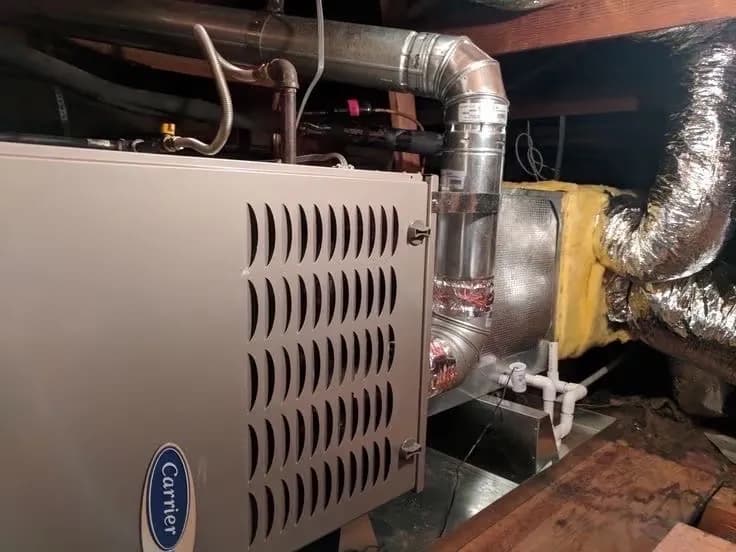
What if your brand-new, high-tech air conditioner is actually throwing away 30% of its cooling power before it even reaches your bedroom? It's a common reality for many in North Richland Hills and Keller who invest in energy efficient HVAC upgrades without addressing the synergy of their entire system. Most homeowners dread that mid-summer sticker shock when the electric bill arrives, or they're tired of dealing with stubborn hot spots in second-floor rooms that just won't stay cool. You deserve a home that feels like a sanctuary, not a source of financial stress.
In this guide, we'll cut through the confusion surrounding 2026 regulations to show you which high-efficiency systems truly lower North Texas utility bills. While federal tax credits for these systems expired at the end of 2025, new Texas-specific rebate programs are finally on the horizon for late 2026. We'll explain how to prepare for these offsets, the importance of the new R-32 and R-454B refrigerant standards, and why addressing your ductwork is the secret to maximizing your investment. From professional indoor air quality assessments to variable-speed technology, you'll discover a clear path to consistent temperatures and lasting peace of mind.
Key Takeaways
Learn how the updated SEER2 requirements and North Texas humidity levels dictate which systems will actually survive our local summers.
Discover why energy efficient HVAC upgrades like variable-speed technology provide more consistent cooling than traditional single-stage units.
Get the latest updates on 2026 financial incentives, including local utility rebates and the expected launch of new Texas state programs.
Understand the "invisible" role of duct sealing and how it prevents you from losing a significant portion of your conditioned air.
See why a residential-only expert provides the disciplined, technical focus needed to maximize your home's comfort and air quality.
Table of Contents
Understanding HVAC Efficiency in the Texas Climate
Living in the Fort Worth area, you know that our summers don't just bring heat; they bring a thick, heavy humidity that makes every degree feel more intense. When you begin researching energy efficient HVAC upgrades, the first thing you'll notice is that the rules have changed. SEER2 is the industry standard for measuring cooling efficiency under real-world external pressure. This metric replaced the original SEER standard because it more accurately reflects how a system performs when connected to actual ductwork rather than a perfect laboratory setup. If you're still relying on a 14 SEER unit installed ten years ago, that system is now considered obsolete. Under the modern, more rigorous testing protocols, that older unit wouldn't even meet the minimum legal requirements for installation in the state of Texas today.
The SEER2 Revolution: What Texas Homeowners Need to Know
The Department of Energy sets specific regional standards because a home in Keller faces much harsher conditions than a home in Maine. As of 2026, all new central air conditioning systems installed in the Southern region must meet a minimum of 14.3 SEER2 for most residential sizes. It's vital to understand the difference between nominal efficiency and installed efficiency. Nominal efficiency is the best-case scenario, but installed efficiency is what you actually pay for on your monthly bill. Because our local heat load is so extreme, buying a system rated for Northern climates isn't just a poor financial decision; it's a violation of federal regional standards. We ensure every system we install is specifically designed to handle the unique thermal stress of a North Texas July.
Humidity Control as an Efficiency Strategy
True comfort in North Richland Hills isn't just about the temperature on the wall. It's about how much moisture is in the air. Modern, high-efficiency systems are designed to run in longer, lower-speed cycles. This approach is much more effective at pulling humidity out of your living space than older, single-stage units that simply blast cold air and then shut off. When your home's humidity is properly managed, you'll find that you feel perfectly comfortable even with the thermostat set a few degrees higher. This synergy between moisture removal and temperature control is why we recommend an indoor air quality assessment as the first step for any of your energy efficient HVAC upgrades. By measuring your home's baseline moisture levels, we can help you choose a system that restores domestic harmony and lowers your overhead simultaneously.
Top Energy Efficient HVAC Upgrades for 2026
Choosing the right energy efficient HVAC upgrades for 2026 involves more than just picking a high SEER2 rating. It's about selecting a system that thinks for itself and adapts to the volatile North Texas climate. Modern technology has moved beyond the simple "on or off" mechanics of the past. Today's systems focus on precision and consistency, ensuring your home remains a sanctuary without draining your bank account every time the temperature climbs above ninety degrees.
Variable-Speed vs. Two-Stage Systems
Variable-speed compressors are the gold standard for comfort in Keller and Southlake. Think of these units as the "cruise control" for your home cooling. While a traditional system is either running at 100% capacity or completely off, a variable-speed unit can modulate its output to as low as 30% capacity. This allows the system to run for longer periods at a lower, more efficient speed. It effectively eliminates the uncomfortable "blast of cold" followed by "stagnant heat" cycles that many homeowners find frustrating. Because these units spend most of their time in a low-power state, they consume significantly less energy while providing superior humidity control and whisper-quiet operation.
Modern Heat Pumps in North Texas
There's a persistent myth in the Fort Worth area that heat pumps struggle once a Texas winter actually sets in. While that might have been true of older technology, 2026 cold-climate heat pumps are designed to provide reliable warmth even during deep freezes. These systems are now the preferred choice for many in North Richland Hills because they move heat rather than creating it through expensive electric resistance strips. By adopting a whole-building approach to saving energy, you can replace your aging furnace and AC with a single, high-efficiency heat pump that handles both seasons with ease. For homeowners who still prefer a safety net, dual-fuel systems are available that combine the efficiency of an electric heat pump with the backup reliability of a gas furnace for those rare, extreme weather events.
The brain of any modern system is a smart thermostat. These devices go beyond simple scheduling; they monitor external weather patterns and internal humidity to optimize your equipment's performance. If you aren't sure which technology fits your specific home layout, a professional air conditioner installation assessment can help identify the exact configuration needed to restore domestic harmony and maximize your long-term savings.
Calculating ROI: Tax Credits and Utility Savings
Investing in energy efficient HVAC upgrades is a significant financial decision, and calculating your return on investment requires looking at both immediate offsets and long-term overhead reduction. For a typical 2,500 square foot home in Keller or North Richland Hills, moving from an aging unit to a modern high-efficiency system can slash monthly kilowatt-hour (kWh) consumption by 30% to 50%. With the ERCOT grid facing increased pressure and rising electricity costs in 2026, these savings are no longer just a perk; they're a necessary strategy for managing your household budget and protecting your home's domestic harmony.
Federal Tax Credits and the 2026 Transition
It's important to clear up the confusion regarding federal incentives as we move through 2026. The previous Section 25C Energy Efficient Home Improvement Credit, which many homeowners relied on for its $3,200 annual cap, expired on December 31, 2025. This included the well-known $2,000 credit for heat pumps and the $1,200 offset for central AC and weatherization. For installations occurring this year, the financial landscape has shifted toward the Texas HOMES and HEAR rebate programs. These state-administered initiatives, funded by the Inflation Reduction Act, are targeting a launch in late 2026. Because these new rebates often require specific proof of energy savings, a professional HVAC assessment is the first step to ensure your home is positioned to claim these upcoming offsets. You'll need precise documentation of your system's SEER2 compliance to meet the rigorous standards expected by state auditors.
Estimated Payback Periods for High-Efficiency Units
When you compare a standard 14.3 SEER2 unit against a 20+ SEER2 variable-speed system, the initial price difference can feel like a hurdle. However, the payback period has shortened as the cost of power in North Texas continues to climb. A variable-speed system doesn't just lower your bill; it reduces mechanical stress by avoiding the high-energy "surge" of frequent restarts. In the Fort Worth area, homeowners often see these premium units pay for themselves through reduced utility bills over a seven to ten year window. To protect this investment, a disciplined maintenance plan is essential. Regular tuning ensures your equipment continues to operate at its peak rated efficiency, preventing the gradual performance drift that can quietly inflate your monthly costs. By combining these energy efficient HVAC upgrades with a service-oriented maintenance schedule, you ensure your system remains a reliable guardian of your home comfort for years to come.
The "Invisible" Upgrades: Ducts and Air Quality
Imagine buying a high-performance sports car but driving it on a flat tire. That's exactly what happens when you invest in energy efficient HVAC upgrades but ignore your ductwork. While many people focus only on the outdoor unit, the most successful energy efficient HVAC upgrades treat the home as a complete ecosystem. In North Richland Hills and Keller, most duct systems are tucked away in unconditioned attics where temperatures can easily soar past 140 degrees. If those ducts have even minor leaks or are undersized for your new equipment, you could be losing up to 40% of your conditioned air before it ever reaches your living room. A brand-new unit can't fix a broken delivery system; it will simply work harder, cycle more often, and wear out faster.
Duct Repair and Sealing
Your ducts might be fighting your new system if you notice excessive dust around supply vents or rooms that stay stubbornly warm despite the AC running. Because we focus exclusively on residential comfort, we prioritize a thorough duct inspection during every installation. We look for collapsed sections, loose connections, and aging seals that compromise your home's domestic harmony. Modern aerosolized sealing technologies can now close tiny gaps from the inside, ensuring every bit of air you pay to cool actually stays inside your home. This process is far more thorough than traditional manual taping, reaching into areas that are physically impossible for a technician to access by hand.
Whole-Home Air Purification and Efficiency
Airflow is the lifeblood of efficiency. When coils become coated in dust or "dirty sock syndrome" takes hold, your system has to fight through a layer of grime to transfer heat. This resistance forces the motor to consume more electricity, effectively dragging down your SEER2 performance. By integrating whole-home air purification, you protect your equipment from buildup while providing significant allergy relief for your family. An Indoor Air Quality Assessment is the most reliable way to identify these hidden efficiency leaks and restore the breathability of your home environment.
Finally, think about the relationship between your attic insulation and HVAC cycle times. If your attic lacks proper thermal resistance, heat radiates through the ceiling and forces your system into constant operation. High-efficiency upgrades perform best when the building envelope is sealed. This synergy ensures your home reaches the desired temperature quickly and maintains it with minimal effort, providing the peace of mind that comes with lower monthly overhead. When your insulation and ductwork work in harmony with your unit, you'll finally experience the consistent, room-to-room comfort you were promised.
Choosing Your Upgrade Partner in Fort Worth
When you're ready to commit to energy efficient HVAC upgrades, the most critical variable isn't just the brand of the unit; it's the precision of the technician standing in your mechanical room. In a market crowded with general contractors and large corporate entities, choosing a residential-only specialist ensures your home receives the undivided attention it deserves. We don't split our focus between industrial high-rises and suburban bedrooms. Our expertise is entirely dedicated to the unique comfort challenges faced by families in Keller and North Richland Hills. This singular focus allows us to master the technical nuances of home air quality and system sizing that generalists often overlook.
The Prestige Air Difference
As a veteran-owned and family-operated business, we bring a level of disciplined service and integrity that is rare in the modern service industry. We value transparency above all else. We position ourselves as guardians of your home comfort rather than just another service provider. You won't find us offering plumbing or commercial HVAC services. We stick to what we do best: ensuring your family stays cool in July and warm in January. This commitment to our local community means we take the time to help you understand the shifting 2026 rebate environment. We want you to feel confident that your energy efficient HVAC upgrades are sound investments that protect your family's domestic harmony and long-term financial health.
Next Steps for Your Efficiency Upgrade
The journey toward a more efficient home begins with a professional HVAC assessment. This isn't just a quick look at your thermostat; it's a comprehensive evaluation of how your home breathes. During this audit, we perform a detailed Manual J load calculation to ensure your new system is perfectly sized for your home's square footage and insulation levels. We also examine your ductwork and indoor air quality to identify those hidden efficiency leaks that often sabotage new equipment. By identifying these factors before the installation begins, we prevent the common pitfalls that lead to premature equipment failure or disappointing utility savings. We check the integrity of your seals, the balance of your airflow, and the overall health of your home environment to ensure your restoration is complete.
Preparing your home for an audit is simple. Clear the areas around your indoor and outdoor units and have your recent utility bills ready for review. This data helps us tailor a solution that maximizes your monthly savings and restores peace of mind. Schedule your professional HVAC assessment with Prestige Air today to take the first step toward a more comfortable, cost-effective home.
Protect Your Home and Your Budget for 2026 and Beyond
Investing in energy efficient HVAC upgrades is about more than just a new machine; it's about restoring domestic harmony and long-term financial stability. You've learned how critical it is to look at your entire home ecosystem, from the precision of SEER2 standards to the "invisible" role of your ductwork. By addressing these factors together, you move past the stress of rising utility bills and inconsistent room temperatures. You deserve a home that remains a sanctuary even during the most intense North Texas heat waves.
Since 2020, our team has brought veteran-owned discipline and family-operated integrity to every residential project in the Fort Worth area. We take pride in being your neighborly experts, focusing exclusively on home comfort without the distractions of commercial work or unrelated trades. Your peace of mind is our priority, and we're here to ensure your investment is handled with the highest standards of craftsmanship. Maximize your home comfort and savings-contact Prestige Air for an expert HVAC assessment. We look forward to helping you create a more efficient, breathable, and comfortable environment for your family.
Frequently Asked Questions
How much can I save with an energy-efficient HVAC upgrade in Texas?
You can typically expect to reduce your monthly cooling costs by 30% to 50% when upgrading from a decade-old system to a modern high-efficiency unit. In our local North Texas climate, where air conditioners run for a significant portion of the year, these savings accumulate quickly. Factors like your home's insulation and current duct condition will influence the final result. A professional assessment helps pinpoint your specific potential for lowering monthly overhead and restoring domestic harmony.
What is the highest SEER2 rating available for residential homes in 2026?
Residential systems in 2026 can reach ratings of 25 SEER2 or higher, particularly with advanced variable-speed heat pumps. While the legal minimum in Texas is 14.3 SEER2 for most units, these premium systems offer the maximum available efficiency for homeowners seeking the lowest possible utility bills. We focus on matching the right equipment to your specific square footage and comfort needs. This ensures you don't overspend on capacity while still enjoying top-tier performance and whisper-quiet operation.
Do I qualify for the $2,000 federal tax credit for a heat pump?
Federal tax credits under Section 25C, including the $2,000 heat pump incentive, expired on December 31, 2025. For 2026 installations, homeowners should look toward the new Texas state rebate programs funded by the Inflation Reduction Act. These are expected to launch in late 2026 or early 2027. We help our neighbors navigate these shifting regulations to ensure you're prepared to claim any available local utility offsets or upcoming state-level financial incentives as they become available.
Is it better to repair my old AC or upgrade to a high-efficiency system?
If your current unit is over 10 years old or requires a repair that costs more than half its value, an upgrade is usually the smarter investment. Older systems using R-410A refrigerant are becoming much more expensive to maintain as the industry shifts to low-GWP refrigerants like R-32. Choosing energy efficient HVAC upgrades now prevents you from sinking money into an obsolete system. It also provides immediate relief from the rising costs of the ERCOT electricity grid.
How does a variable-speed compressor help with Texas humidity?
Variable-speed compressors manage humidity by running in longer, lower-intensity cycles that continuously pull moisture from the air. Traditional single-stage units often shut off before they can properly dehumidify your home, leaving it feeling clammy even at cool temperatures. By maintaining a steady flow of conditioned air, these systems keep your environment breathable and comfortable. This consistent operation is especially vital in the humid Fort Worth summers where moisture control is just as important as cooling.
What happens if my ductwork is too small for a high-efficiency unit?
Undersized ductwork creates high static pressure that can cause your new high-efficiency motor to work harder and fail prematurely. You might notice whistling sounds or poor airflow in distant rooms if the ducts aren't matched to the equipment's requirements. During our professional installation process, we evaluate your existing delivery system to ensure it can handle the volume of air needed. Modifying a few key sections of ductwork is often necessary to protect your investment and ensure peak performance.
Are smart thermostats worth the investment for energy savings?
Smart thermostats are highly effective tools that typically save homeowners between 8% and 15% on annual cooling and heating costs. These devices act as the brain of your system, learning your schedule and adjusting for North Texas weather patterns automatically. When paired with energy efficient HVAC upgrades, they ensure your equipment only runs when necessary. This level of precision prevents energy waste and helps maintain a perfectly balanced home environment while you're away or sleeping.
Will a high-efficiency HVAC system increase my home value in Fort Worth?
A modern, high-efficiency HVAC system is a significant selling point in the competitive Fort Worth and Keller real estate markets. Potential buyers prioritize homes with lower monthly overhead and reliable, up-to-date mechanical systems. Because we use the latest low-GWP refrigerants required by 2026 standards, your upgrade ensures the home remains compliant and attractive for years to come. It projects an image of a well-maintained property, giving future owners the peace of mind they're looking for in a new residence.